 USD
USD
Aromatherapy
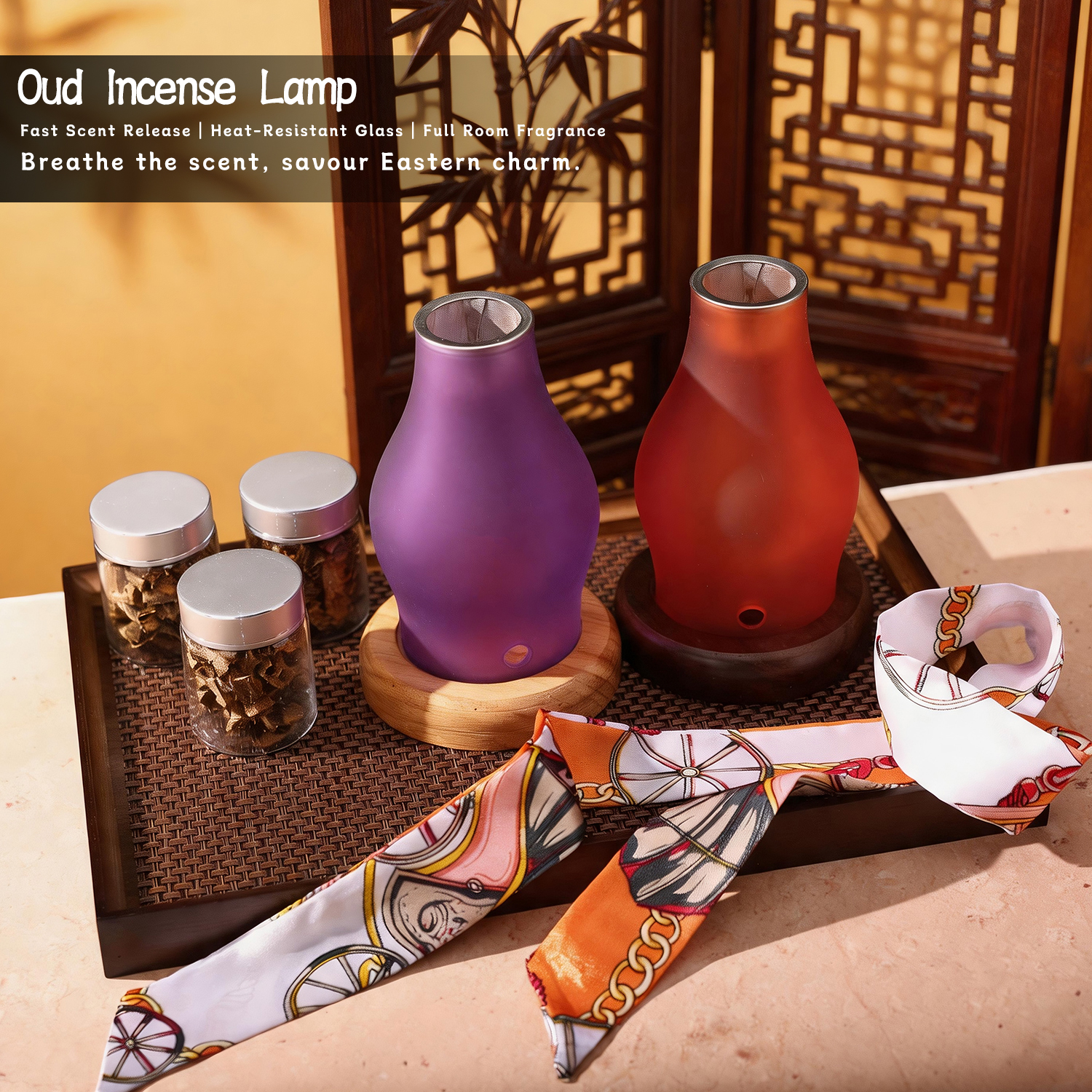
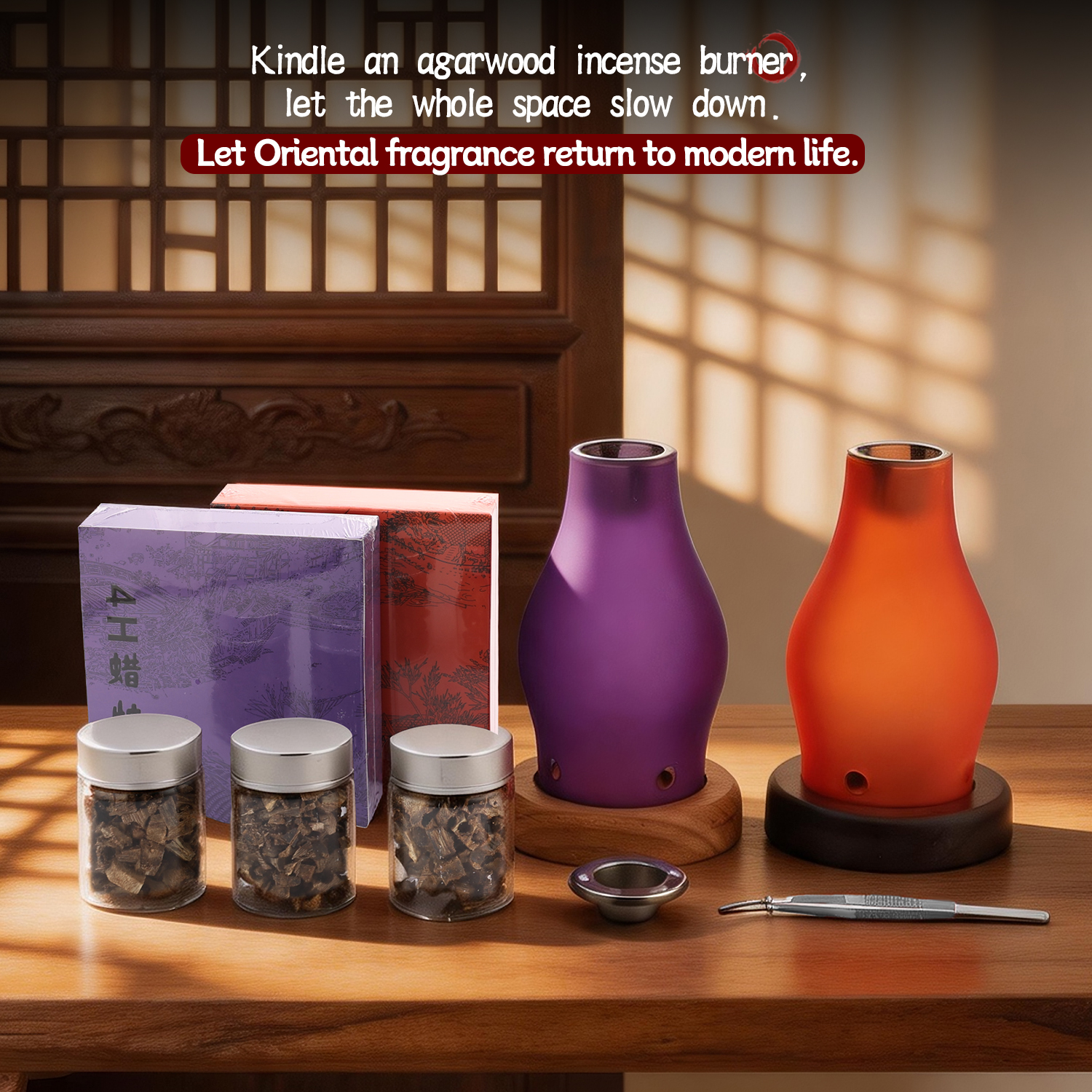
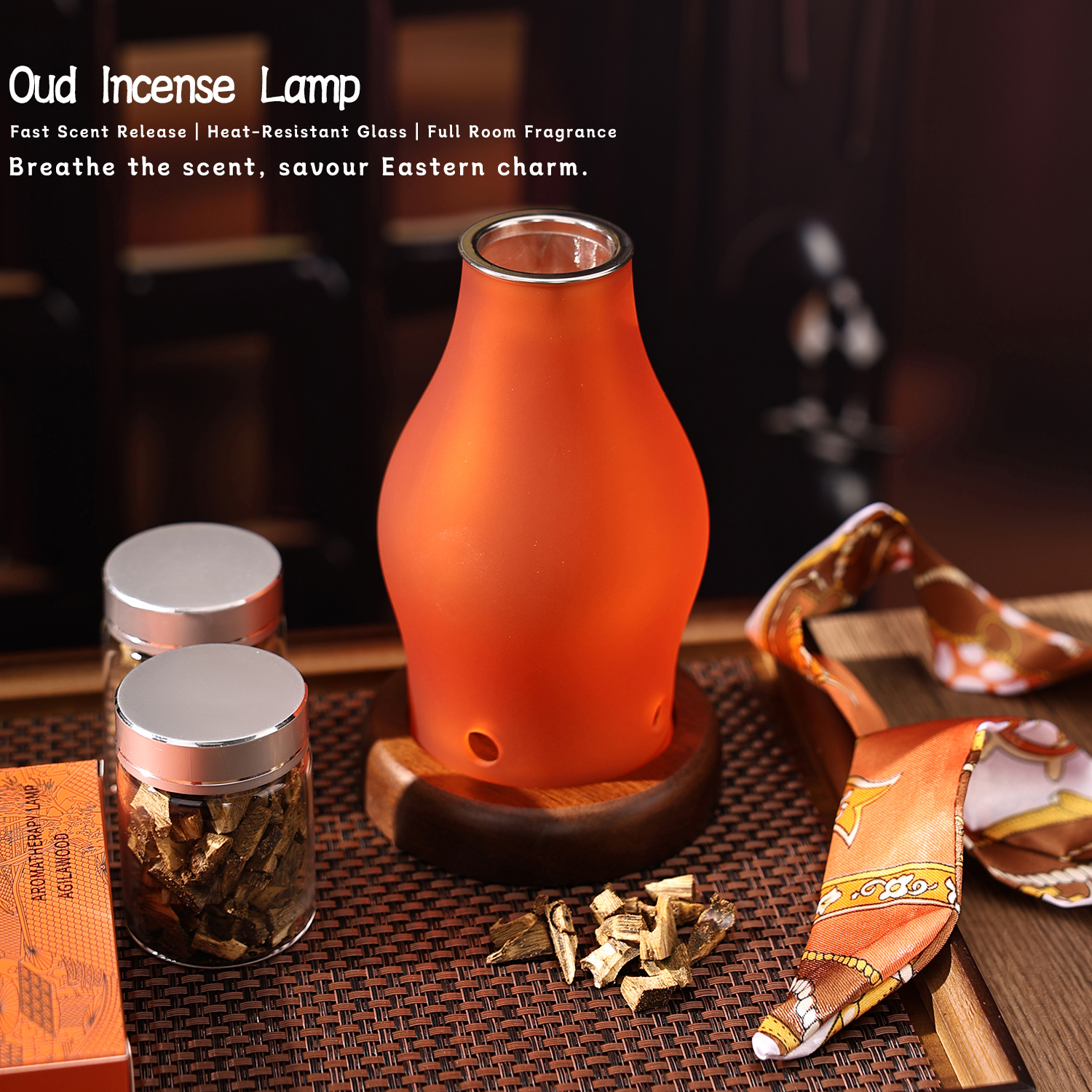
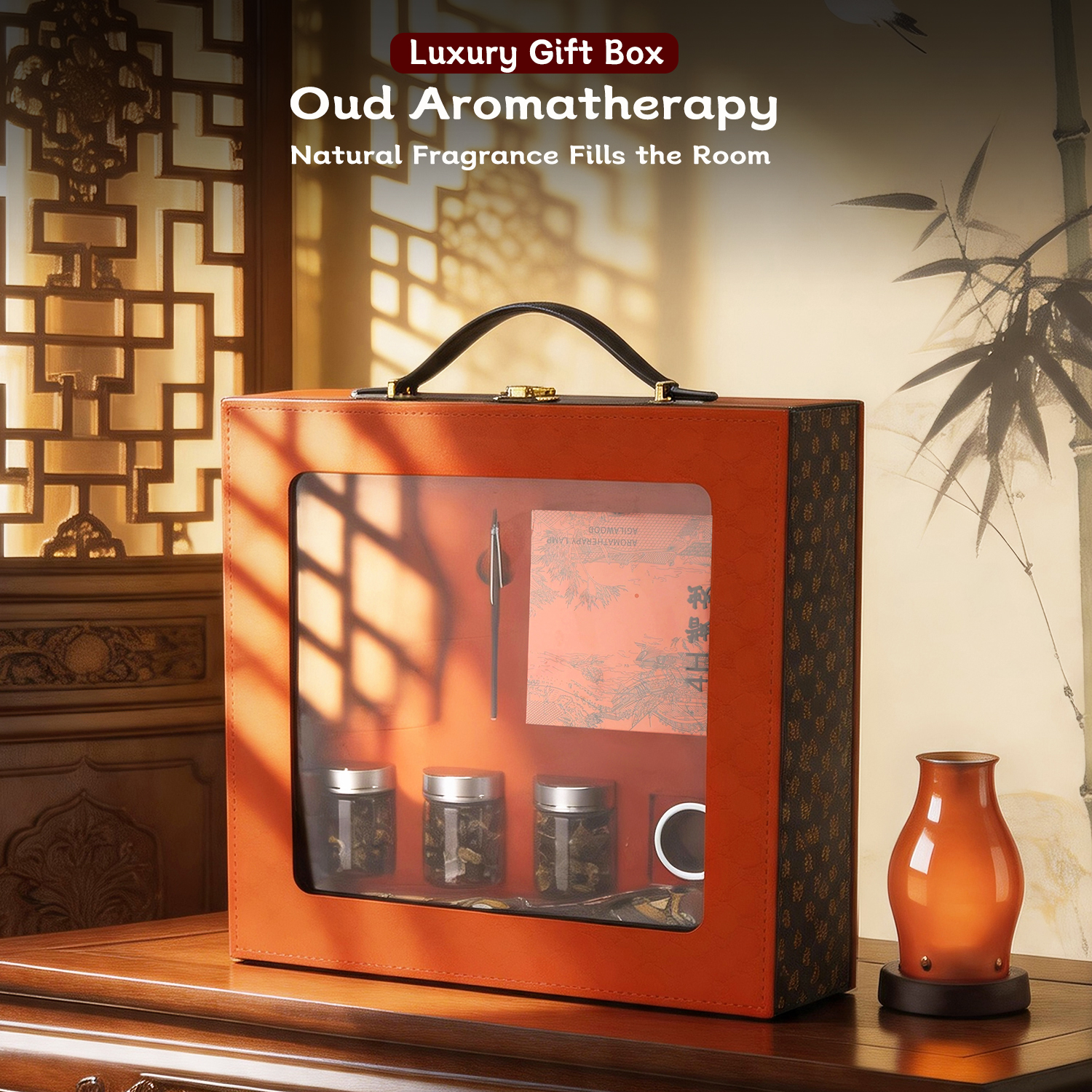
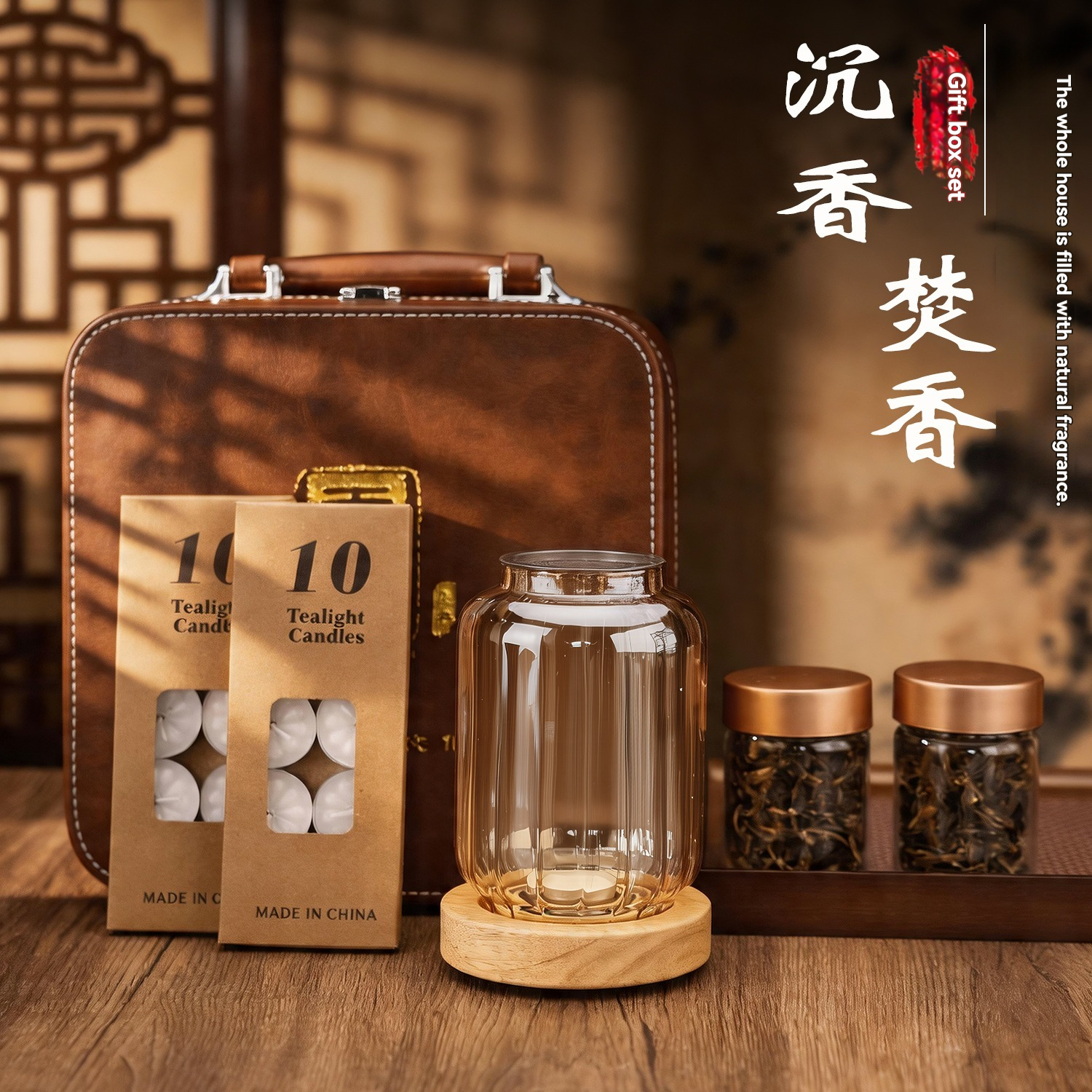
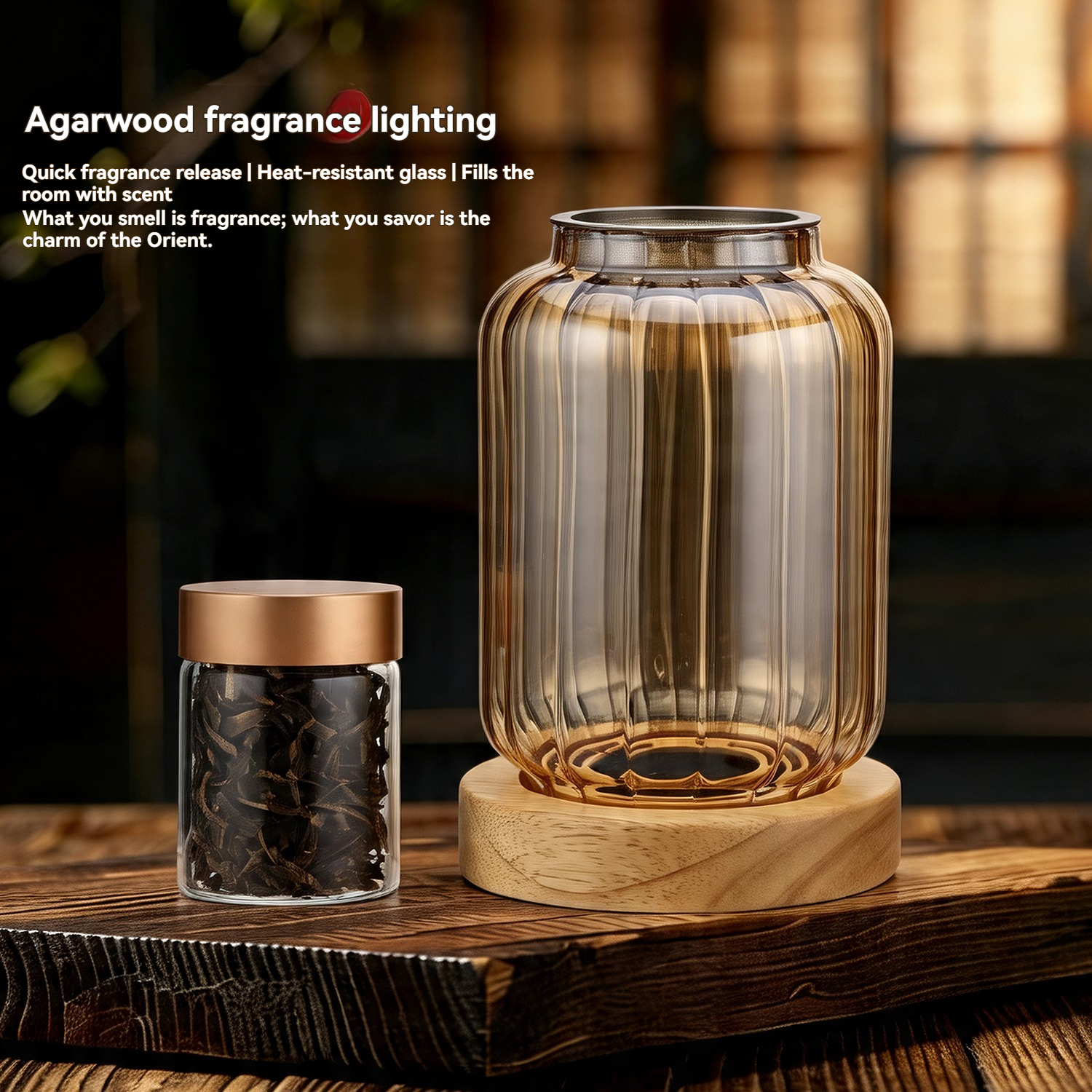
Agarwood, hailed as the “king of fragrances,” has long been regarded as the premier incense in Eastern incense culture. When used as incense, agarwood not only offers a sensory delight but also demonstrates unique value in physical and mental healing, creating a soothing atmosphere, and preserving cultural heritage.
-
 37% OFF$ 249.00 $ 399.00Save $ 150.00
35% OFF$ 259.00 $ 399.00Save $ 140.00
37% OFF$ 249.00 $ 399.00Save $ 150.00
37% OFF$ 249.00 $ 399.00Save $ 150.00
35% OFF$ 259.00 $ 399.00Save $ 140.00
Here are the seven key benefits of agarwood incense:
1. Calms the Mind and Eases Anxiety
The aromatic compounds in agarwood (such as α-agarwood furan and β-agarwood furan) act directly on the brain’s limbic system via the olfactory nerves, regulating the emotional center. Its soothing scent can lower cortisol levels, alleviating stress-induced anxiety, insomnia, and other issues common in modern life. Lighting agarwood incense sticks during meditation, yoga, or before bed quickly creates a tranquil atmosphere, helping to calm the mind and induce a state of deep relaxation.
2. Purifies the air and dispels stale odors
The aromatic compounds released when agarwood burns possess natural antibacterial properties. Studies have shown that they significantly inhibit pathogenic bacteria in the air, such as Staphylococcus aureus and E. coli. Ancient people often used agarwood to fumigate their homes and dispel the foul air associated with epidemics. In modern life, it can also eliminate cigarette smoke and pet odors, creating a clean breathing environment. Its light, wispy smoke further imbues the space with an aesthetic ambiance of “refined elegance and transcendence.”
3. Enhancing Focus and Creativity
The sesquiterpene compounds in agarwood’s fragrance activate the brain’s alpha waves, placing the mind in an alert yet relaxed “flow state.” During the Song Dynasty, literati always kept an incense burner on their desks to use agarwood’s scent to refresh the mind and stimulate literary inspiration; modern research also confirms that its fragrance can boost concentration by over 30%, making it ideal for deep thinking or artistic creation.
4. Supporting Respiratory Health
According to Traditional Chinese Medicine, agarwood is warm in nature and pungent in flavor, affecting the spleen, stomach, and kidney meridians. Its smoke helps clear the lungs, dispel phlegm, regulate qi, and relieve wheezing. The trace amounts of essential oils (such as benzyl acetone) released during incense burning gently soothe the respiratory tract, offering some relief for chronic coughs and nasal allergies. Burning agarwood incense during smoggy weather or flu season can create a natural barrier for the respiratory system.
5. Harmonizing the Energy Field of a Space
In the fields of Feng Shui and energy healing, agarwood is regarded as “pure yang energy” capable of dispelling negative energy within a space. Its aromatic frequency resonates with the human chakras, helping to balance the energy field. It is particularly suitable for purifying new homes, meditation spaces, or commercial venues. In Tibetan Buddhism, agarwood is even used as an offering to the Buddha, symbolizing the pure and untainted state of spiritual cultivation.
6. Anti-Aging and Wellness
The antioxidants abundant in agarwood (such as agarwood spirane) neutralize free radicals and slow cellular oxidation. Traditional Chinese medicine combines agarwood fumigation with herbal baths to promote blood and qi circulation; modern aromatherapy utilizes its essential oil to regulate endocrine function and improve dull complexion. Long-term incense burning nurtures both the body and mind, achieving the wellness effect of “health through fragrance.”
7. Cultural Heritage and Spiritual Cultivation
From the *Huangdi Neijing* to the *Xiangcheng*, agarwood has been integral to the medicinal and aesthetic systems of Chinese civilization. During the incense appreciation process, the ritual of “observing the smoke, discerning the aroma, and calming the mind” completes the experience and transmission of the traditional incense ceremony. Zen practitioners further use “a single stick of agarwood to dispel distracting thoughts” as a medium for entering meditation, contemplating the essence of life amidst the fragrance.